Affordable Spider Control Ajax Help for Homes and Businesses
Affordable Spider Control Ajax Help for Homes and Businesses
Blog Article
Spiders often turn up where food, shelter, and moisture are easy to find. A few outdoor spiders may be harmless, but regular sightings indoors can point to a wider pest issue. Professional Spider Control Ajax services determine the cause, reduce current activity, and protect your property with practical prevention steps.
A reliable service looks beyond visible spider webs. It checks for insect prey, entry points, moisture, clutter, and dark spaces that attract indoor spiders and outdoor spiders. Mosquito Man is one business that provides pest control services for properties dealing with spider activity. The right plan depends on the building, the spider species, and the conditions around it.
Why Expert Spider Control Is Important
A spider infestation rarely starts with spiders alone. Spiders follow their food source. If flies, moths, ants, or other insects are active around a building, spiders may settle nearby. Removing visible spiders without addressing insect activity often produces temporary results.
Professional pest control begins with locating the conditions that support the problem. A technician checks the building exterior, indoor rooms, storage areas, and service spaces. This approach supports property protection without relying on unnecessary pesticide treatment.
Homes and commercial premises also have different risks. A residence may need careful work around bedrooms, basements, garages, children, and pets. A business may need treatment around stock, staff areas, loading zones, and customer paths. Health and safety requirements should direct every step.
Spider control also reduces the chance of surprise encounters. Webs around doors, equipment, or customer-facing areas can make a property look neglected. In a workplace, frequent sightings may affect staff confidence and visitor comfort. A planned service gives you clear actions instead of repeated cleaning with no lasting change.
Frequent Spiders Found Around Homes and Businesses
Different spider types may appear around buildings. Accurate pest identification matters because habits and preferred hiding places differ between species.
- Common house spiders: These spiders often create untidy webs in corners, window frames, garages, sheds, and undisturbed areas indoors. They may remain active where insects gather.
- Cellar-dwelling spiders: Also called long-leg spiders, cellar spiders prefer moist, quiet spaces. Basements, utility rooms, storage rooms, and ceiling corners can offer good shelter.
- Ground-hunting spiders: Wolf spiders hunt rather than relying on a web to catch prey. They may enter through gaps near doors, foundations, and garage openings. Their size can worry people, even though they usually keep away from people.
- Orb weaving spiders: These outdoor spiders create wide, round webs between plants, railings, exterior lights, and building edges. They may become easier to spot at night or early in the morning.
Different species may also occur. A photograph, specimen, or clear description can help a licensed pest control technician correctly identify the spider. Species identification should come before choosing a treatment.
Signs You May Need Spider Control
One spider does not always mean a major issue. Repeated signs deserve careful review, especially when activity grows over several days or weeks.
- Spider webbing: Recently made webs in several rooms, around exterior lights, or along foundation walls suggest regular spider movement.
- Spider egg sacs: Small silk sacs in corners, behind stored items, under ledges, or near webs can indicate that spiders are breeding on the property.
- Seeing spiders: Seeing spiders during the day, finding them in living areas, or noticing several types may point to suitable shelter or a steady food supply.
- Insect presence: Flies, moths, ants, and other insect prey can draw in spiders. Lighted doors and windows often draw both insects and hunting spiders.
Webbing patterns can provide useful clues. A messy web in a quiet corner differs from a large outdoor web stretched across a walkway. A pest inspection helps distinguish normal outdoor activity from a problem that needs control.
How Expert Spider Control Takes Place
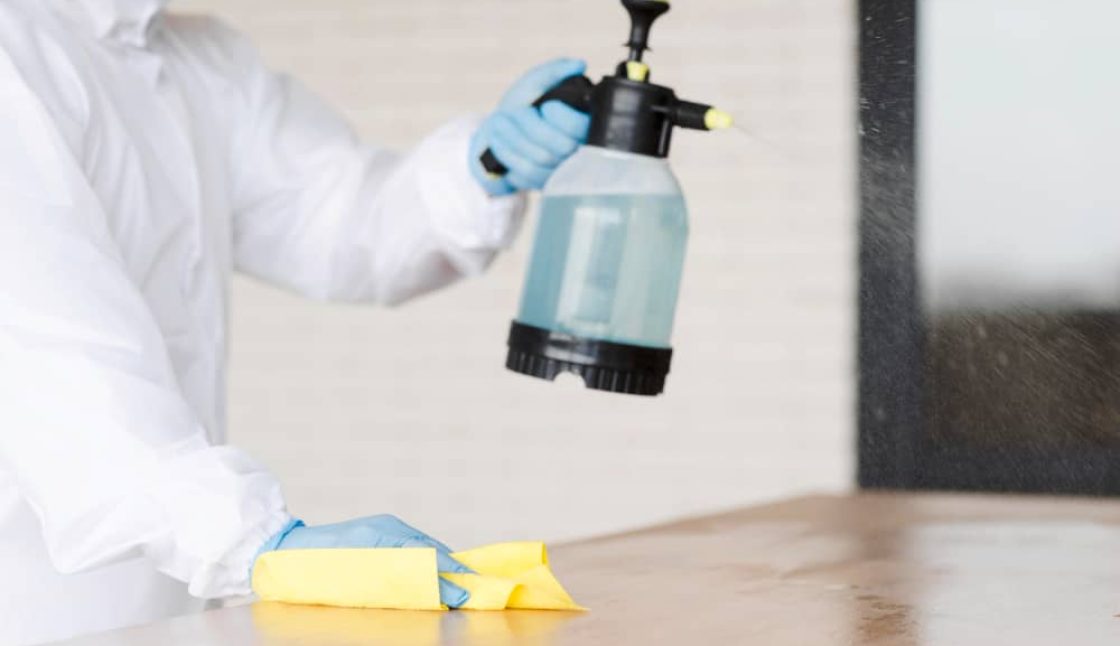
Qualified spider control follows a step-by-step process. The technician begins with a property inspection and finds out where and when you have seen activity. Next, pest identification helps determine which spiders are present and what conditions support them.
The service may include a specific treatment in selected areas rather than coverage across every surface. The technician can also advise on changes that lower insect activity and restrict access. A follow-up service may be planned when the property has recurring activity or when more than one treatment stage is needed.
Inspection and Activity Assessment
The inspection starts with possible entry points. These may include gaps around pipes, damaged screens, door edges, foundation cracks, vents, and openings around utility lines. The technician also checks harbourage areas, such as stacked materials, dense vegetation, unused equipment, and storage corners.
Moisture is another important factor. Leaking taps, condensation, damp basements, blocked drainage, and wet organic material can encourage insects. Spiders may then remain close to these areas because food is easier to find.
Webbing patterns can reveal where spiders travel and rest. A technician may inspect window frames, ceiling edges, exterior lights, eaves, and sheltered wall sections. This information supports a targeted application and helps avoid treating areas that do not need it.
Risk assessment also considers how people use the property. A treatment plan for a family room will not match one for a warehouse storage zone. Occupancy, ventilation, food handling, pets, children, and access restrictions all influence the service plan.
Treatment Choices for Indoor and Outdoor Areas
Indoor treatment may include a residual insecticide applied to approved surfaces where spiders walk or remain hidden. A residual product can remain active for a set period, but its performance can vary with surface condition, cleaning, moisture, and ongoing insect activity.
Treatment you could try here of cracks and crevices focuses on narrow spaces around moulding, window frames, fittings, and connection points. This method places product in targeted hiding areas while limiting contact with open surfaces.
Outdoor perimeter treatment may be used around base walls, entry doors, windows, utility openings, and other possible entry paths. The technician may also treat areas where outdoor spiders build webs, such as overhangs, balustrades, and exterior light fittings.
Removing webs is often part of the service. Removing existing spider webs and egg sacs improves appearance and removes obvious signs of activity. It does not replace treatment or repairs, but it helps the technician track new web construction after service.
You may not see immediate results. Some spiders may remain visible for a short period after treatment, particularly if they emerge from protected spots. New spiders may also enter if gaps remain open or insect prey continues to gather. Ongoing protection depends on the treatment, repairs, site cleaning, and follow-up monitoring.
Spider Control for Homes
Residential spider control must fit daily life. A basement may need attention because it offers moisture, storage, and dark spaces. A garage may provide open gaps, cardboard, tools, and insects. These conditions can encourage spiders even when living rooms appear clean.
Window frames should receive a close check. Damaged screens, loose trim, and gaps around frames can let spiders and insects enter. Entry doors may need attention as well, especially where door seals are worn or light is visible below the door.
A household service may include vacuuming visible webs, moving stored items away from walls, checking utility openings, and improving ventilation. The technician should outline preparation steps before any pesticide treatment. You may need to remove food, cover specific items, keep people and pets away during application, or wait for treated areas to dry.
Spider removal is most effective when it includes the conditions that attract spiders. Reducing insects, fixing moisture problems, and closing access gaps can make the treatment work longer. No responsible provider should promise a permanently spider-free home.
Effective Management for Commercial Properties
Business pest control needs a special level of planning. Offices may have activity around entry doors, washrooms, storage rooms, and lighting. Retail spaces need careful work that limits disruption and keeps customer-facing areas professional.
Warehouses often contain high ceilings, stacked goods, loading doors, pallets, and protected wall spaces. These conditions can create many hiding places. A technician may need access equipment, a treatment schedule, and simple instructions for moving or protecting stored materials.
Customer-facing areas require careful care. Webs around signs, entrances, display fixtures, and seating areas can affect the presentation of a business. Treatment should account for opening hours, staff movement, ventilation, food areas, and any required re-entry period.
A business plan may include service records, inspection notes, corrective actions, and a follow-up visit. Staff can support the program by reporting sightings, keeping doors closed, reducing clutter, and removing food waste promptly. Consistent reporting helps reveal activity before it spreads across several parts of the building.
Commercial pest control also needs direct communication. The provider should explain which areas were inspected, what treatment was used, what preparation was required, and what signs should trigger a call. A practical service protects operations while addressing the source of the problem.
Prevention Advice to Keep Spiders Away
Spider prevention works best as a routine. Minor building repairs and cleaning changes can reduce access and remove shelter.
- Seal gaps first: Seal cracks around windows, doors, pipes, vents, and foundation sections. Swap out damaged screens and fix loose trim.
- Install weather stripping: Worn weather stripping and door sweeps leave openings at entry doors. Replace them when light or air comes through.
- Check outdoor lighting: Bright lights attract flying insects, which can bring spiders closer. Use fixtures that direct light downward and keep bulbs away from doors where practical.
- Cut down on clutter: Remove unused boxes, wood piles, bags, and stored materials from walls and quiet corners. Keep items raised off damp floors where possible.
- Manage moisture: Repair leaks, improve airflow, empty standing water, and keep basement areas dry. Moisture often supports the insects that spiders feed on.
- Maintain vegetation: Trim plants away from walls, windows, and roof edges. Clear leaves and debris from foundation areas.
- Reduce insect food sources: Use tight lids on waste containers, clean spills, and repair screens. Fewer insects can mean fewer spiders.
These steps help support professional treatment but may not solve an established infestation alone. A technician can help prioritize repairs by access, moisture, and activity level.
Safe and Responsible Treatment Practices
Pesticide safety begins with selecting the right product and using it only where needed. The technician should describe the treatment, preparation instructions, ventilation needs, and re-entry guidance before work begins.
Integrated pest management combines inspection, sanitation, exclusion, monitoring, and targeted pesticide use. It does not rely on repeated spraying as the only answer. This method supports practical control while reducing unnecessary product use.
Children and pets should keep away from treatment areas according to the product label and service instructions. Food, dishes, toys, pet bowls, and personal items may need to be covered or removed. Never allow children or animals to come into contact with wet treated surfaces.
A licensed pest control technician should follow product labels, legal requirements, and site-specific safety procedures. Ask for details about the product category, treated areas, drying time, and steps for accidental contact. Responsible service protects people, pets, property, and the environment.
Indoor application should be limited to suitable locations. Outdoor treatment should account for drainage, gardens, pollinators, and nearby water. The goal is a targeted service that addresses spider activity without treating areas that do not require it.
When to Book Spider Control
Seasonal spider activity often changes as temperatures, moisture, and insect populations shift. Outdoor webs may become more visible during periods of increased insect movement. Indoor sightings can increase when spiders seek shelter from changing conditions or enter through open doors and windows.
Arrange an assessment when activity is recurring rather than waiting for a large increase. Repeated infestations may indicate open entry points, damp areas, stored clutter, or an insect problem that has not been corrected.
Preventive treatment may be helpful for properties with a history of heavy activity, many exterior access points, large storage areas, or sensitive customer-facing spaces. The timing should reflect the inspection findings and the building’s use.
Urgent service may be appropriate when spiders are appearing in occupied rooms, work areas, spaces children can reach, food preparation areas, or important business areas. A timely inspection can determine whether the concern involves spiders alone or another pest issue.
Ask what results you should expect. Treatment can reduce active spiders and webbing, but new activity may occur if insects, moisture, clutter, or access gaps remain. Monitoring and corrective work are part of long-term control.
Common Questions
How can I keep spiders in my Ajax home?
Start by sealing gaps around doors, windows, pipes, vents, and foundation walls. Replace damaged weather stripping, repair window screens, reduce clutter, and keep basements and garages dry. Outdoor lighting should not bring large numbers of insects directly to entry doors. If sightings continue, a pest inspection can find harbourage areas and recommend a specific plan.
What types of spiders are common in Ajax?
Common examples include house spiders, cellar spiders, wolf spiders, and orb-weaver spiders. House and cellar spiders often remain in quiet indoor areas. Wolf spiders usually move across floors, garages, and exterior spaces. Orb-weaver spiders are more often seen outdoors in circular webs near plants, railings, lights, and building edges. Proper pest identification is the best way to identify the species.
Are spiders in Ajax homes dangerous?
Most spiders found around homes stay away from people and do not pose a serious risk. Bites are uncommon, but any bite that causes severe pain, swelling, breathing trouble, or other concerning symptoms needs medical attention. Spiders can still create a health and safety concern when they appear in large numbers, around children, in work areas, or near customer-facing spaces. A professional inspection can address both the spiders and the insects attracting them.
When is the best time to treat spiders in Ajax?
The right time depends on the property and the activity pattern. An assessment is useful as soon as you notice repeated sightings, fresh webs, or egg sacs. Seasonal service can help reduce outdoor activity before it enters buildings, while indoor treatment may be needed at any time. Preventive pest treatment is most effective when paired with repairs, moisture control, web removal, and monitoring.
What is the cost of spider control cost in Ajax?
Treatment pricing changes according to the size of the property, the level of spider activity, the areas needing treatment, access, past infestation activity, and whether follow-up service is needed. A home with activity around one entry door may require a different plan from a warehouse with tall ceilings and many storage areas. Ask for a property inspection and written service details so you can compare the treatment scope, preparation requirements, and follow-up terms rather than cost alone.
Report this page